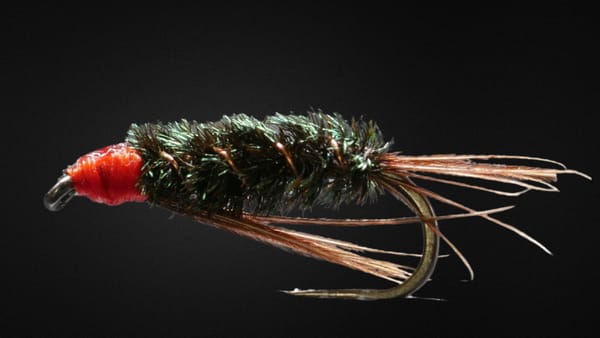
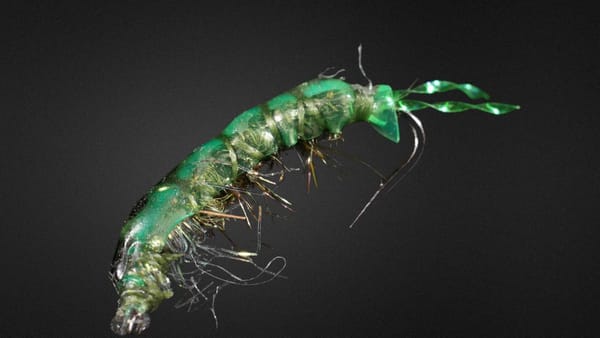
Stonefly Nymph Stonefly nymphs are one of the biggest food sources a trout has, and this is my go to way to tie one. It's semi realistic without being fiddly beyond reason, and it fishes as well as it looks. The reason it earns a permanent spot in my box Ugly Flies • nymphs
Diawl Bach The Diawl Bach is one of the best stillwater flies you can have in your box, and it's about as simple as they come. It's an old Welsh reservoir pattern, the name means "little devil," and it flat out catches trout wherever you swim Ugly Flies • nymphs
Polish Woven Nymph If you've ever wondered where Euro nymphing actually came from, this is about as close to the source as you can tie. The woven nymph traces back to Polish anglers fishing short and heavy on the Dunajec back in 1984, dredging flies right along the bottom before the Ugly Flies • nymphs
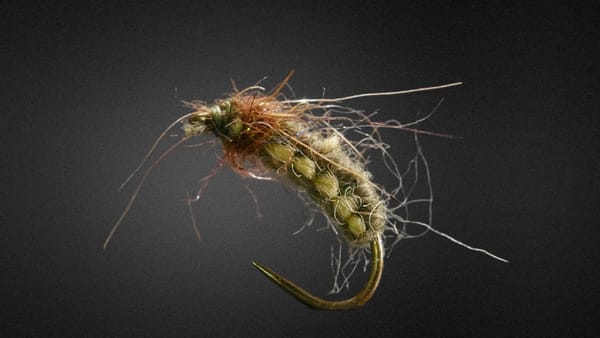
Free Living Caddis The free-living caddis larva is one of my favorite flies to tie, partially because it fishes so well. Like most caddis larvae, there are numerous ways to tie this. I like the pattern below because it's more realistic than impressionistic, yet still incredibly durable. This fly is Ugly Flies • nymphs
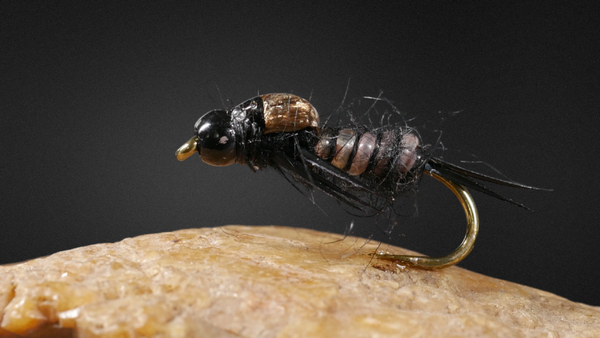
2 Bit Hooker The Two-Bit Hooker is built for one specific job, sinking like an absolute stone to get right down into the strike zone. Where standard nymphs get bulky and slow when you add weight, this pattern stays notoriously slim. The secret is in that double bead. By stacking two tungsten Ugly Flies • nymphs
Carrot Nymph It's orange, so it's a carrot nymph. That's the whole story behind the name, and I'm not going to pretend otherwise. Where mine goes its own way is the build. Most carrots are a soft hackle fly with an orange body, but Ugly Flies • nymphs