Stonefly Nymph
– 3 min read

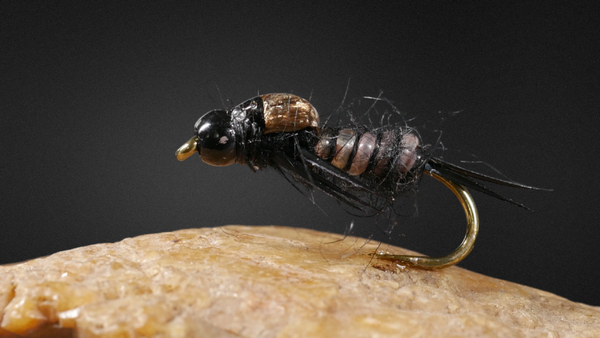
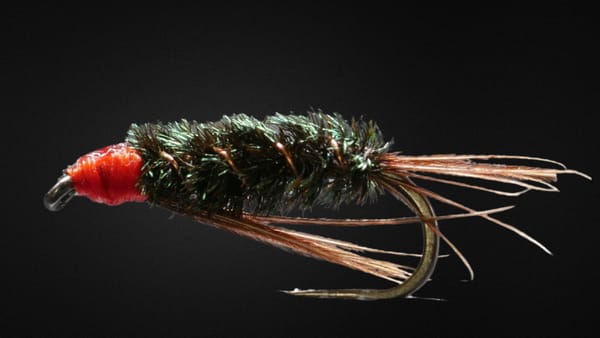
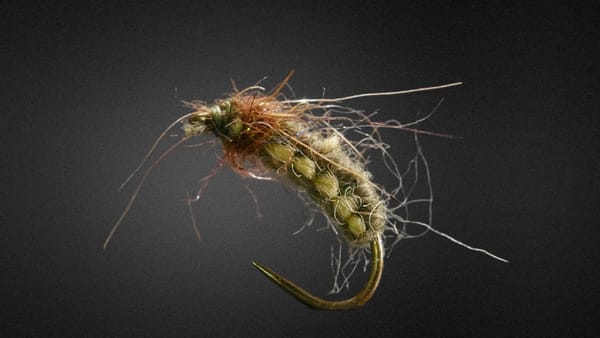
Stonefly nymphs are one of the biggest food sources a trout has, and this is my go to way to tie one. It's semi realistic without being fiddly beyond reason, and it fishes as well as it looks.
The reason it earns a permanent spot in my box comes down to the bug itself. Stoneflies live as nymphs for anywhere from one to three years depending on the species, so unlike a mayfly or a caddis there's no short hatch window.
The nymphs are down in the rocks every day of the year, and the trout know it. That's a fly you can fish with confidence in any month.
They also grow large. I tie this on a size 12, but a size 8 wouldn't look out of place, and plenty of guys tie them on a 6 and catch trout doing it. The giant species out there get past a couple of inches long, so don't be shy about going big.
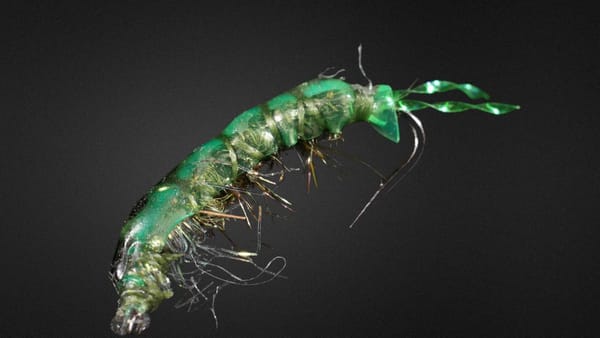
The one thing that makes this version worth tying is the body. I use clear D rib and colour it myself rather than buying it pre coloured.
The markers I use are proper acrylic paint markers, the kind made for painting model cars and the like, not craft store pens, and the difference shows.
Painting the flat side and wrapping it paint side in means the colour sits sealed on the inside of the vinyl, so it won't rub off on the rocks and it won't fade the way a sharpie does.
It also lets me mottle and blend colours, which is great when you're chasing a semi realistic look. On this one I've laid buff and red brown over each other, which gives you far more depth than anything off the spool.
The rabbit dubbing laid between the body segments does double duty. It suggests the gills, which on a real stonefly sit down around the leg bases and the underside of the thorax, and more importantly it makes the whole fly look buggy.
Rabbit has long strands and holds water well, so once it's wet it moves.
Colors are up to you. On this one the body is buff and red brown with black rabbit picked out between the segments, which gives you that mottled, slightly translucent stonefly look with the dark gill suggestion showing through.
That combination covers a lot of water. If you want to shift it, browns, ambers and golds all work well for golden stones, and going darker overall is worth having in the box for the early season black and brown naturals.
Tie a few in different shades and let the water tell you which one it wants.
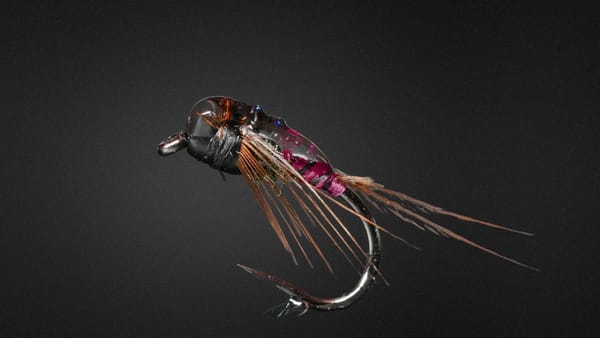
For the wingcase I use swiss straw, also called raffia. It's flat and wide, so it folds over into a clean broad case with no bulk underneath, which is great for stonefly patterns.
It's easy to work with, tough once it's locked down, and it takes a coat of resin beautifully. The generous coat of UV resin over the top adds real durability to the case and the thread, and builds a domed shellback that catches a bit of light.
Fish it dead drifted deep, right down on the substrate where the naturals crawl.
Get it to the bottom with the tungsten bead, add a wrap or two of lead free wire if the run is fast or deep, and bounce it through the pockets and riffle seams.
The takes usually come as the fly lifts at the end of the drift or when it's ticking along the rocks. If you're not touching bottom you're fishing too high, add weight before you change the fly.