Polish Woven Nymph
– 2 min read
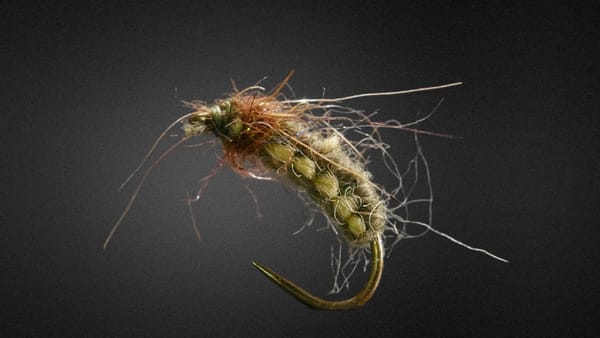
If you've ever wondered where Euro nymphing actually came from, this is about as close to the source as you can tie. The woven nymph traces back to Polish anglers fishing short and heavy on the Dunajec back in 1984, dredging flies right along the bottom before the whole style even had a name. It's an old pattern, still one of the best point flies you can put in your box.
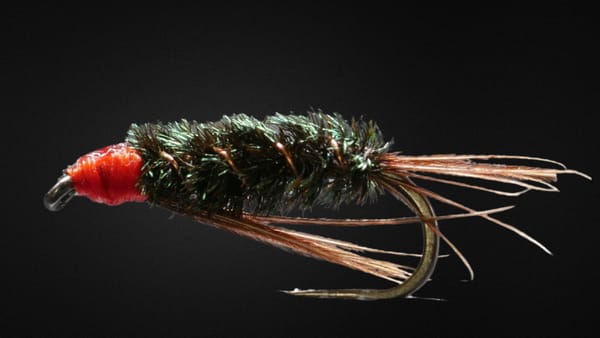
The whole thing is built around the weave. Two colors of yarn braided into a body that's dark on top and pale underneath. That's countershading, the same coloring you see on a real nymph or a caseless caddis larva, and to a trout looking up it reads as something alive rather than a lump of dubbing. I tie mine olive over pale yellow, and I brush the SLF thorax right out with a dubbing brush so it comes off scruffy and buggy instead of a tight little collar. That rough finish is what I want on this fly.
Colors are up to you. Olive over yellow covers most of what I fish, but you can flip it, run brown over tan, or go brighter if that's what's in the drift. The weave technique stays the same no matter what you load into it.
You can tie it with a tungsten bead instead of the lead if you'd rather, and it's still a great fly. I go with lead wire here because I want this thing as heavy as I can get it. The whole point is getting down fast and staying on the bottom.
Fish it as your point fly on a Euro rig or a tight line setup, right down on the bottom where it belongs. Get it ticking the stones and stay in contact, most of your takes come as it's bumping along the bottom or lifting at the end of the drift. If you're not feeling the bottom, it isn't heavy enough, so add wraps of lead or drop to a heavier bead next time.